Cold Process vs Hot Process vs Glycerin Soap: Which Is Best for Your Skin?
You’ve probably come across cold process, hot process, or glycerin-based soaps while looking for organic handmade soap. But what’s the difference, and which one is best for your skin type? we believe informed choices lead to better skin. Here’s the breakdown.
How Handmade Organic Soap is Made
Handmade organic soaps are made through two main approaches: cold process and hot process. Both use oils and lye, but the method changes the final bar.
Cold Process Soap
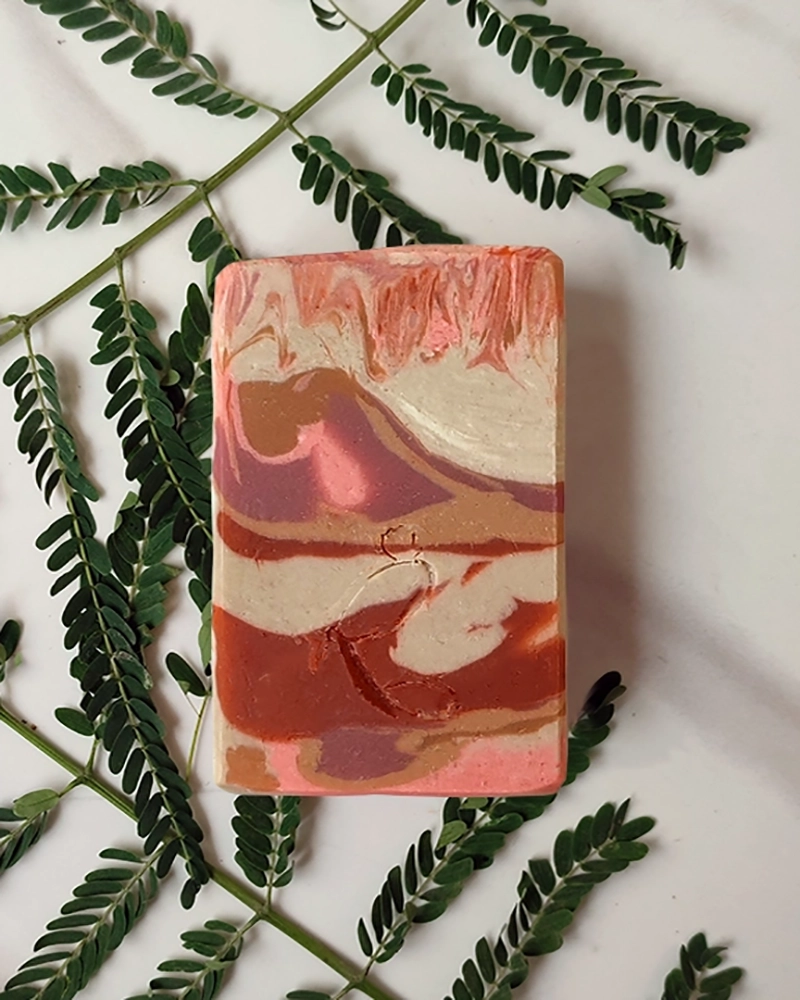
Process: Oils and lye are mixed at room temperature. Saponification occurs naturally over 4-6 weeks of curing.
Texture: Smooth, with design flexibility for swirls and colors.
Benefits: Retains natural glycerin and ingredient benefits. Cleanses without stripping skin, making it ideal natural soap for sensitive skin or dryness.
Drawbacks: Longer cure time.
Best for: Artisanal bars, gifts, ingredient-focused formulas like aloe vera and green tea soap for acne-prone skin, chamomile for sensitive skin, sandalwood for glow.
Hot Process Soap
Process: Oils and lye are cooked to speed up saponification. Soap is ready in 1-2 days.
Texture: Rough and rustic. Harder to create swirls or designs.
Benefits: Ready for use within days.
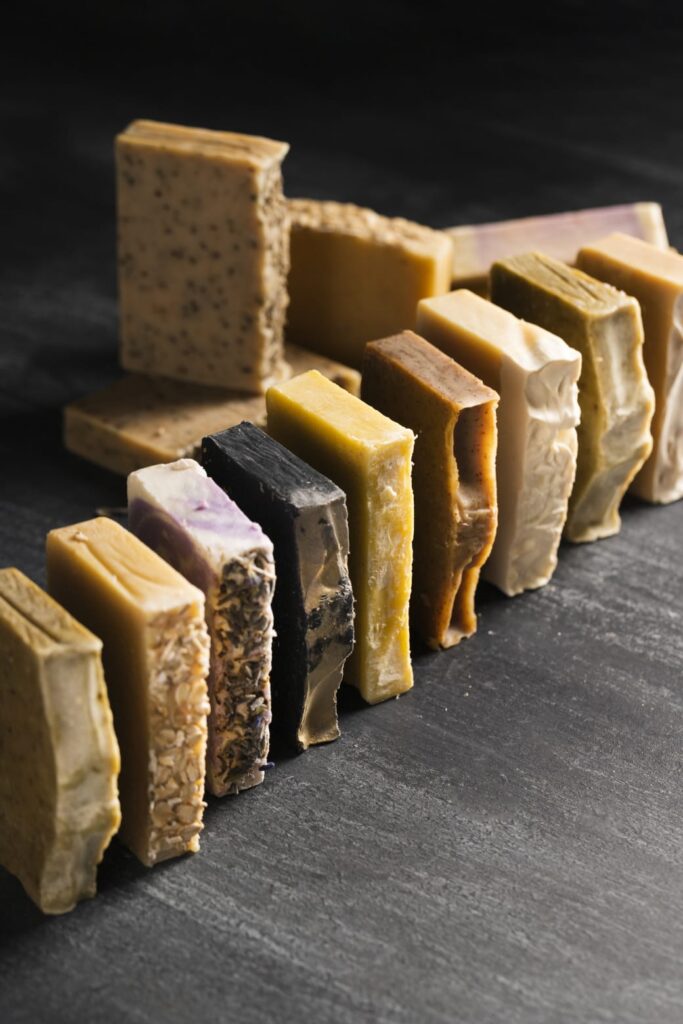
Drawbacks: Less design flexibility and often less lather than cold process.
Best for: Immediate production, customers who prefer an earthy, natural texture.
Glycerin-Based Soap
Process: Pre-made soap base melted and poured. Extra glycerin added for clarity.
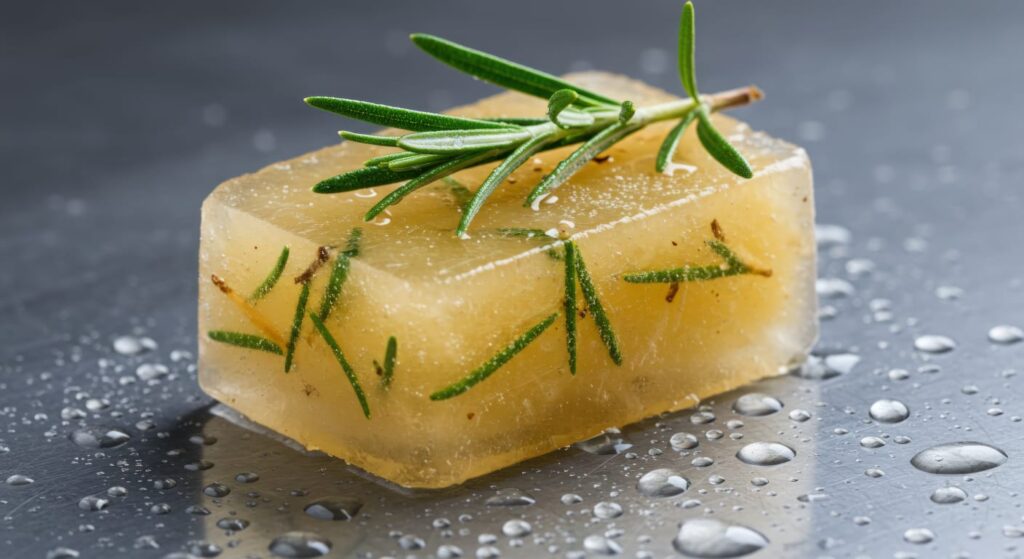
Texture: Translucent, smooth, glossy. Easy to embed colors or objects.
Benefits: Easiest to make. Great for kids’ projects.